When winter hits in North Dakota, a common question we hear is how long you should let your car idle before driving. For years, the rule of thumb was ten minutes, but with modern engines and high-quality synthetic oils like Castrol, that advice is outdated.
Why the “Old Rule” Started
The ten-minute warm-up comes from the days of carbureted engines and thicker oils. Back then, engines needed extra time for fuel mixtures to stabilize and oil to circulate properly. Today’s vehicles work differently, but the habit has stuck around.
Modern Engines Warm Up Quickly
Fuel-injected engines in most cars today start and run efficiently almost immediately. In most cases, about 30 seconds of idling is enough for oil to circulate and protect your engine. Letting your car sit for ten minutes doesn’t make it safer and can actually slow the engine from reaching operating temperature evenly.
Why Synthetic Oil Helps in Extreme Cold
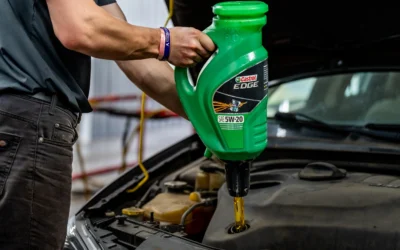
Synthetic oil flows better in freezing temperatures, even below -20°F. It reaches engine components faster than conventional oil, helping reduce wear and allowing you to start driving sooner without risking your engine. Cars with synthetic oil handle cold starts much better and more efficiently.
Drive Gently to Warm Up Faster
The fastest way to warm your car is by driving gently. Light acceleration and moderate speeds let the engine, transmission, and drivetrain reach operating temperature evenly. This also saves fuel compared to letting your car idle for long periods.
When Idling Still Makes Sense
A short idle can still be useful to clear frost from windows or warm the cabin before heading out. Just keep it brief; long idling isn’t necessary for engine protection.
The Smarter Winter Warm-Up
The best approach in cold weather is simple: start your car, let it run 30 seconds, clear your windows, and drive gently. With modern engines and synthetic oil, you don’t need to wait ten minutes to hit the road safely.
Understanding how cars handle winter helps protect your engine, save fuel, and get you moving safely during North Dakota winters. Stop in for an oil change and let us make sure your vehicle is ready for whatever the season throws at it!